
Kathak is one of the most expressive and graceful classical dance forms of India. Known for its rhythmic footwork, elegant movements, spins, storytelling, and connection with music, Kathak offers much more than dance training. For beginners, learning Kathak can be an exciting way to develop discipline, coordination, confidence, musical understanding, and appreciation for Indian culture.
If you are thinking about joining Kathak classes for beginners, you may have several questions. Is Kathak difficult to learn? What should you wear to class? Do you need previous dance experience? How long does it take to learn the basics? And is Kathak suitable for children as well as adults?
This guide covers everything you should know before starting your Kathak journey.
What Is Kathak?
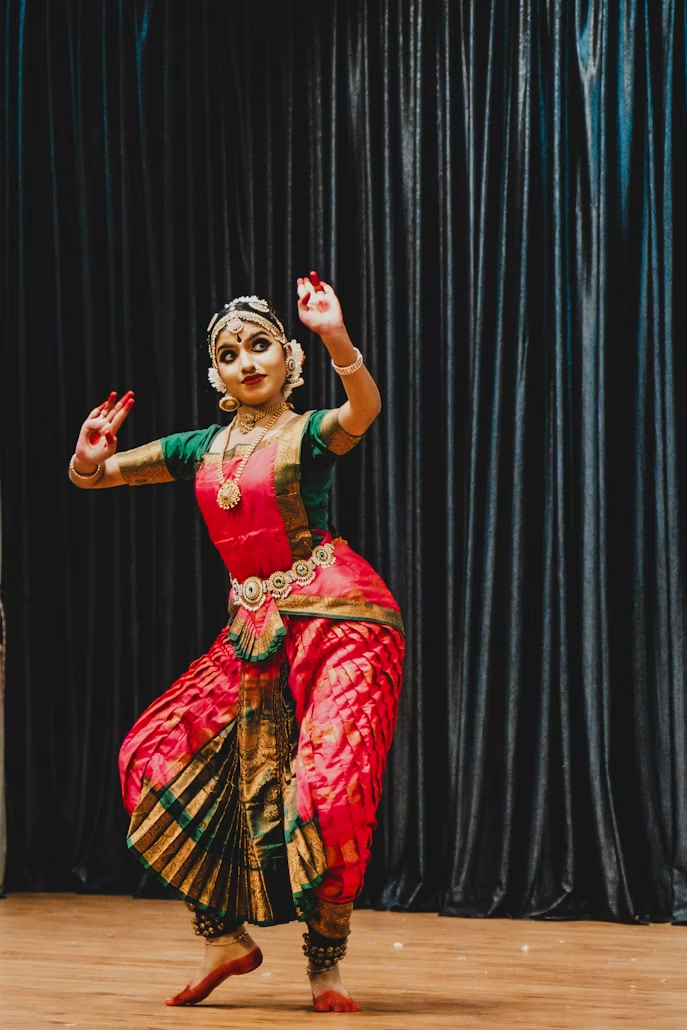
Kathak is one of the major classical dance forms of India. The word “Kathak” is associated with the Sanskrit word Katha, meaning story. Traditionally, Kathak artists used movement, facial expressions, rhythm, and gestures to communicate stories and emotions to an audience.
Over time, Kathak developed into a highly structured classical dance form with a strong emphasis on rhythm and musicality. Today, it is performed on stages around the world and is also taught to students of different ages and experience levels.
A Kathak performance commonly combines tatkar (rhythmic footwork), chakkars (spins), hastaks (hand movements), expressions, rhythmic compositions, and storytelling.
For beginners, the initial focus is usually on understanding the basic posture, movements, rhythm, and vocabulary of the dance form.
Is Kathak Suitable for Beginners?
Yes. You do not need to be an experienced dancer to start learning Kathak.
A good beginner-friendly Kathak program introduces movements gradually. Students first learn fundamental techniques before progressing to more complex combinations and compositions.
Beginners may initially find the footwork or coordination challenging, but regular practice makes these movements easier with time. Kathak is not about getting every movement perfect on the first day. It is a progressive learning process.
Whether you are a child, teenager, or adult, you can start learning Kathak according to your ability and pace.
What Do Beginners Learn in Kathak Classes?
Kathak training generally starts with the foundations of the dance form. These basics help students develop the technique required for more advanced learning.
1. Basic Kathak Posture
Students learn how to stand and move correctly while maintaining the traditional Kathak posture. Proper posture is important because it supports balance, movement, and controlled footwork.
2. Tatkar – Basic Footwork
Tatkar is one of the most important elements beginners learn. It involves rhythmic footwork performed according to different beats and patterns.
At first, students may practice simple rhythmic patterns slowly. As their coordination improves, they gradually work with faster tempos and more complicated combinations.
3. Hand and Body Movements
Kathak uses controlled hand, arm, head, and body movements. Beginners learn basic movements that help them coordinate their upper and lower body.
These movements eventually become part of larger dance sequences and compositions.
4. Chakkars – Spins
Chakkars are the graceful spins commonly associated with Kathak. Beginners usually learn them gradually because maintaining balance while turning requires practice.
Students first work on controlled turns before attempting multiple or faster spins.
5. Expressions and Abhinaya
Kathak is not only about rhythm and technique. Expressions are an important part of the dance form.
Through abhinaya, dancers communicate emotions, characters, situations, and stories using facial expressions, gestures, and body language.
This makes Kathak a powerful form of storytelling.
Do You Need Previous Dance Experience?
No. Previous dance experience is not necessary for beginner Kathak classes.
A beginner course should start with fundamental movements and provide enough time for students to understand rhythm and coordination.
However, having experience in another dance style can sometimes help with body awareness and movement coordination. Even so, a complete beginner can learn Kathak successfully with consistent practice.
The most important qualities are patience, interest, and willingness to learn.
What Should You Wear for Kathak Classes?
Comfortable clothing is generally the best choice when beginning Kathak classes. Students should be able to move their legs, feet, and upper body freely.
Depending on the dance school and level of training, students may eventually be expected to follow a specific traditional Kathak dress code.
For your first few classes, ask the instructor about the preferred clothing and footwear requirements.
As Kathak heavily involves rhythmic footwork, students may also need ghungroo as they progress.
What Are Ghungroo and Why Are They Important?
Ghungroo are traditional ankle bells worn by Indian classical dancers. In Kathak, they are closely connected with the rhythmic aspect of the dance.
The bells produce sound when the dancer moves and strikes the feet against the floor. This allows dancers to create and emphasize rhythmic patterns.
Beginners may not necessarily start with ghungroo immediately. The instructor may first help students develop basic footwork and control before introducing them to ankle bells.
Once introduced, ghungroo become an important part of Kathak practice and performance.
How Long Does It Take to Learn Kathak?
There is no fixed time required to learn Kathak because progress depends on several factors, including age, practice frequency, natural coordination, previous experience, and consistency.
A beginner can start understanding the basic movements and rhythms within the first few months of regular training. Developing stronger technique, expressions, complex footwork, spins, and performance ability takes considerably longer.
Kathak is a classical art form that can be studied for many years. Students continue discovering new techniques and compositions as they advance.
Instead of focusing only on how quickly you can learn, focus on building a strong foundation.
How Often Should Beginners Practice?
Consistency is more important than practicing for extremely long hours occasionally.
For beginners, regular classes combined with short practice sessions at home can be very effective. Even 15–30 minutes of focused practice can help reinforce movements learned during class.
As your skills develop, your practice time can gradually increase.
A useful beginner routine may include:
- Practicing basic posture
- Repeating tatkar patterns
- Working on simple hand movements
- Practicing balance and controlled spins
- Listening to Kathak music and rhythm
- Revising combinations taught in class
The goal is to build muscle memory without putting unnecessary pressure on yourself.
Benefits of Learning Kathak
Kathak provides both artistic and personal benefits.
Improves Coordination
Kathak requires the hands, feet, eyes, head, and body to work together. Regular practice can help improve overall coordination and body awareness.
Develops Rhythm and Musical Understanding
Students learn to recognize beats, tempo, and rhythmic patterns. This develops a deeper understanding of music and timing.
Builds Confidence
Performing movements in front of an instructor or audience can gradually help students become more comfortable expressing themselves.
Encourages Self-Expression
Kathak combines movement with emotions and storytelling. Students learn to communicate ideas and feelings through facial expressions, gestures, and body language.
Supports Discipline
Classical dance requires regular practice and attention to detail. Over time, students learn the value of patience, consistency, and disciplined practice.
Preserves Cultural Heritage
Learning Kathak provides an opportunity to understand an important part of India’s artistic and cultural heritage.
Is Kathak Good for Children?
Kathak can be an excellent activity for children when the teaching approach is suitable for their age and learning level.
Children can gradually develop rhythm, coordination, concentration, and confidence through dance training. The creative aspects of Kathak can also encourage imagination and self-expression.
For younger students, classes should be engaging and appropriately paced. Instead of expecting perfection, instructors should help children enjoy the learning process while gradually developing technique.
Parents looking for Kathak classes for kids should consider the instructor’s experience, class environment, teaching methodology, practice expectations, and whether the program is suitable for the child’s age.
Can Adults Learn Kathak?
Absolutely. You are never too old to begin learning Kathak.
Adults may choose Kathak for different reasons. Some are interested in Indian classical dance, while others want a creative hobby, structured physical activity, or an opportunity to explore performing arts.
Adults may progress differently from children, but regular practice and consistent guidance can help them build a strong foundation.
If you are searching for Kathak classes for adults, look for a program that welcomes beginners and allows you to learn at a comfortable pace.
How to Choose the Right Kathak Class
Choosing the right class can make a significant difference to your learning experience.
Before joining, consider the following:
Experienced Instructor
A knowledgeable teacher can help you understand both the technique and traditional aspects of Kathak.
Beginner-Friendly Curriculum
Check whether the course has a structured progression from basic movements to more advanced techniques.
Suitable Class Size
A manageable class size can allow instructors to observe students and provide corrections when necessary.
Regular Practice Opportunities
Ask about class frequency and whether students receive exercises or combinations to practice at home.
Performance Opportunities
Stage performances can help students gain confidence and understand how classroom training translates into a performance.
Positive Learning Environment
A supportive environment can make beginners feel comfortable asking questions, making mistakes, and improving gradually.
Common Mistakes Beginners Should Avoid
Learning Kathak takes patience. Beginners should avoid comparing their progress with other students.
Some common mistakes include trying to learn advanced spins before mastering basic balance, ignoring posture, practicing rhythms incorrectly, or focusing only on speed.
Another common mistake is skipping practice between classes. Since classical dance depends heavily on muscle memory, regular revision is important.
Always prioritize correct technique over speed.
What Should You Expect From Your First Kathak Class?
Your first class may feel different from what you expected.
Instead of immediately learning a complete dance routine, you may spend time understanding posture, basic footwork, rhythm, hand positions, and simple movements.
The instructor may demonstrate a movement several times before asking you to repeat it.
Do not worry if you cannot perform everything perfectly during the first class. Your first goal is simply to become familiar with the movement vocabulary and rhythm.
With regular classes, movements that initially feel difficult can become more natural.
Start Your Kathak Journey at The Cadencia
If you are looking for a structured and supportive environment to explore Kathak, The Cadencia – School of Arts & Performing offers performing arts training designed to help students develop their artistic skills.
Kathak can be a rewarding journey for children and adults alike. Whether your goal is to learn a new art form, develop confidence, improve coordination, explore Indian classical dance, or eventually perform on stage, starting with the right foundation can make the experience more enjoyable.
The most important thing is to begin with an open mind, practice consistently, and give yourself time to improve.
Final Thoughts
Kathak is much more than a sequence of dance movements. It brings together rhythm, music, storytelling, expressions, discipline, and cultural heritage.
For beginners, the journey starts with simple foundations such as posture, tatkar, hand movements, rhythm, and basic spins. With regular guidance and practice, these foundations gradually develop into more sophisticated techniques and expressive performances.
Whether you are choosing Kathak for your child or starting as an adult, there is no need to wait until you feel “ready.” Every experienced dancer once started with the basics.
Choose a suitable Kathak class for beginners, practice consistently, listen carefully to your instructor, and enjoy the process of learning. The journey may take time, but every step, beat, and movement brings you closer to understanding the beauty of Kathak.